An Introduction to Pearls: Five Fascinating Facts
Few materials carry the quiet power of pearls. It's no wonder why so many cultures considered them heavenly. Ancient Persians believed pearls were formed from moonlight. In ancient China, they symbolized wisdom and spiritual energy. They’ve been symbols of purity, wisdom, and wealth, and adorned empresses and debutantes, and monks and modernists. Even now, they still feel ethereal but never out of reach.
Here are five fascinating facts you should know about the world’s most enduring gem.
Nature's Alchemy
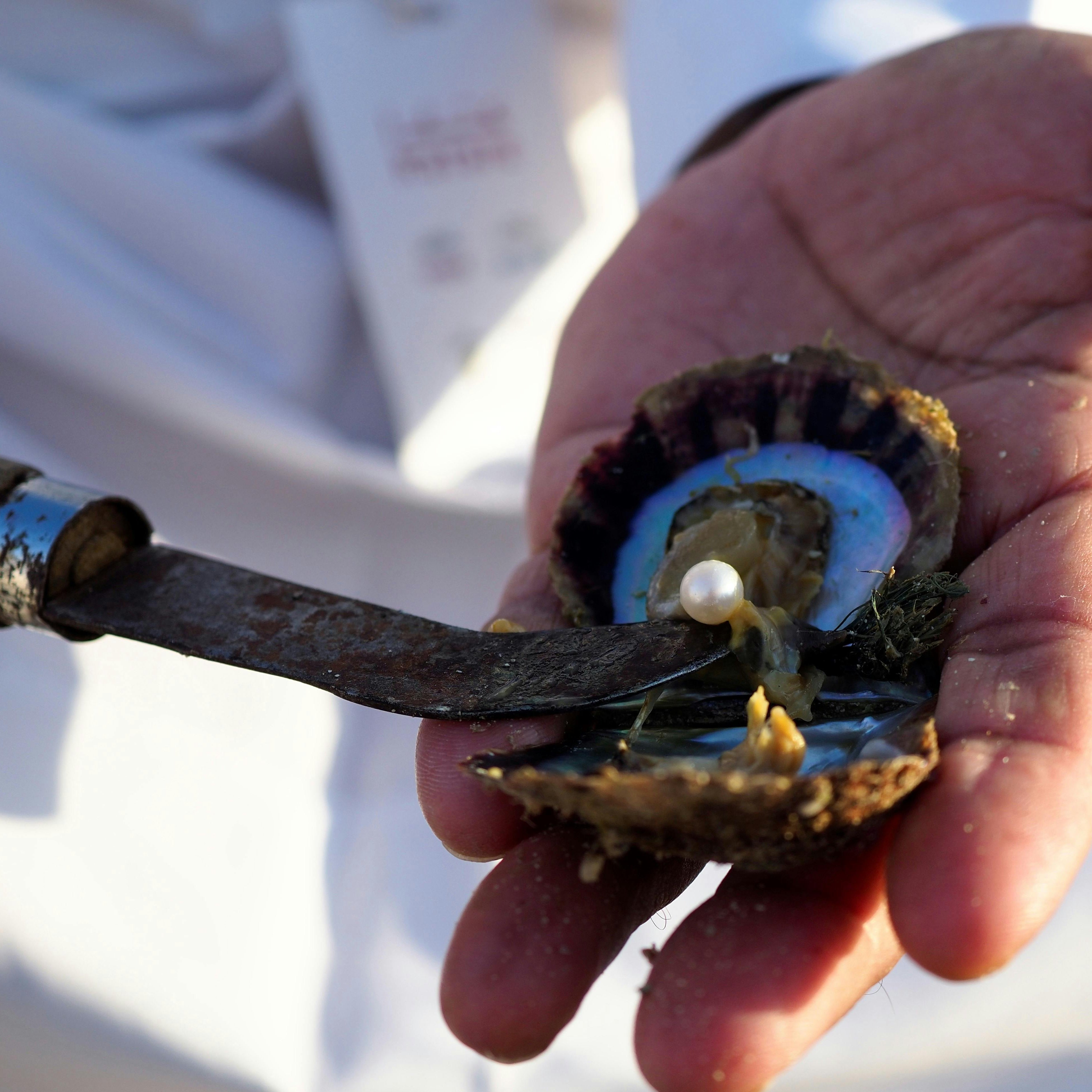
Unlike other gemstones, pearls aren’t mined or carved. They’re the only gem born from a living creature — formed through layers of nacre slowly building around an "irritant" (like a grain or a parasite) inside an oyster or mollusk.
No Two Pearls Are the Same
No two pearls develop under the same conditions, each growing at its own pace. Their shapes, tones, patterns and luster are never identical and vary as much as fingerprints — part of their charm. Baroque or round, smooth or rippled, every pearl reflects the beauty in individuality rather than perfection.
Mother of Pearl (MOP)
Mother of pearl, also known as nacre, is the smooth, iridescent lining found inside the shells of pearl oysters and mussels. Both pearls and mother of pearl are composed of nacre — the difference is their form. Pearls are spherical formations that grow within the shell, while mother of pearl is the flat inner coating that serves as the shell’s natural armor.
Editor's note: Mother of pearl offers a larger canvas for artistry — its iridescent surface has long been used for watch dials, buttons on vintage garments, and inlay work in luxury furniture and antique jewelry boxes. But it's most famous feature is in jewelry - Van Cleef & Arpels’s Alhambra collection uses MOP in its iconic clover motifs, including pieces set in white and grey mother of pearl.
The Art of Imitation
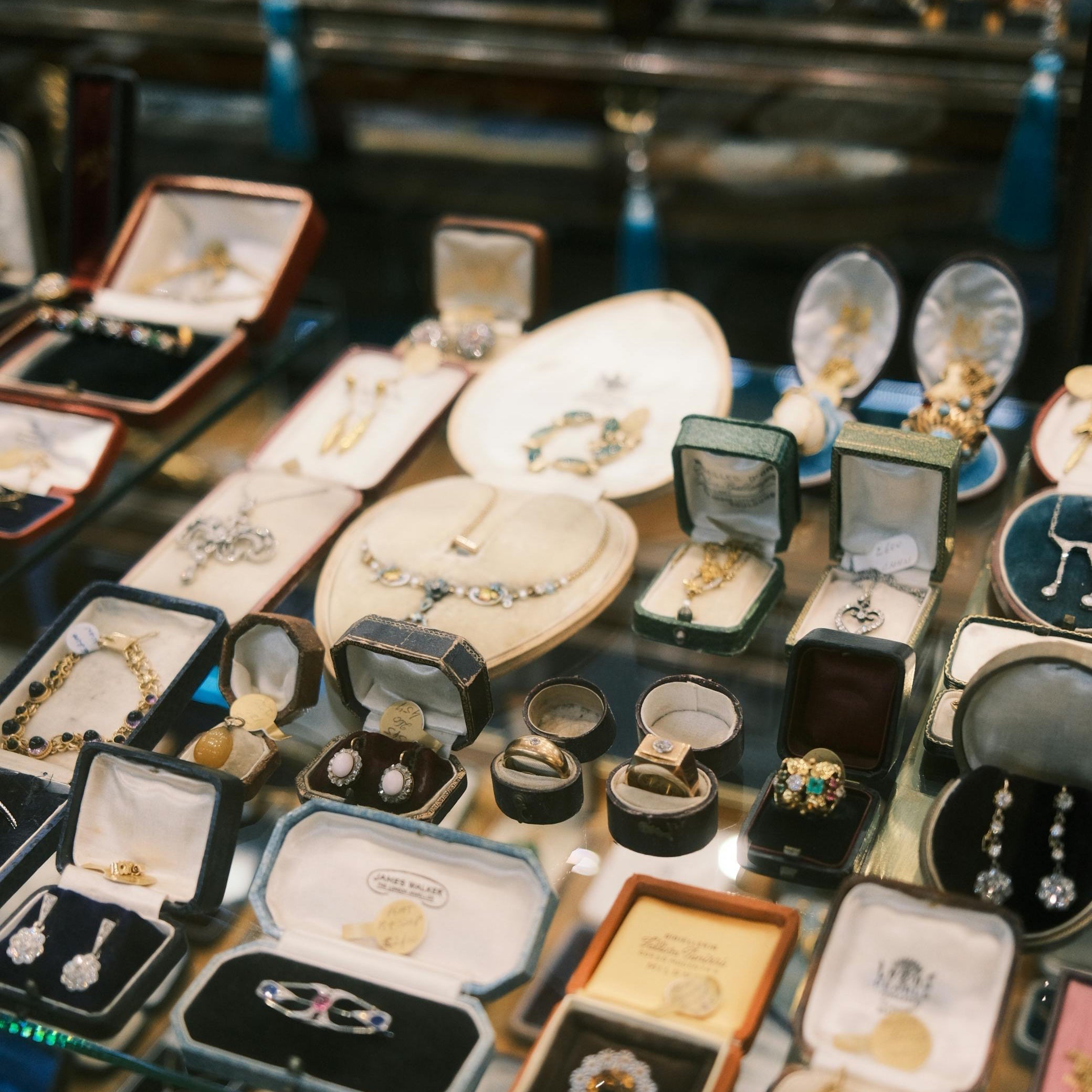
Imitation pearls have been around for centuries — dating as far back as the Roman Empire. Early versions used ingredients like ground-up seed pearls or fish-scales, while modern methods use solid glass, MOP, and plastic beads. Styling imitation alongside natural pearls was once considered chic — a tradition embraced by Elizabeth I of England and later redefined by Coco Chanel.
The "I Do" Gem
Before diamonds became the modern engagement stone pearls were the preferred "I do" gem for engagement rings throughout the 19th century. In earlier centuries, it was expected for royals and nobles to wear the gem that symbolized purity and fidelity for their nuptials.
Editor's note: According to Hindu legend the god Krishna fished a pearl from the sea as a gift to his daughter on her wedding day. In season 2 of Bridgerton, set in the Regency era (1813-1837), Antony marries the Indian-born Kate with his mother Violet's wedding ring made of a cluster of pearls.
At Aupostrophe, pearls represent the balance we love most: refined yet expressive, soft yet powerful, timeless yet alive. Each pearl — natural, cultured, baroque, or dyed — carries its own rhythm of light. They don’t need perfection to be beautiful; sometimes, the irregular ones feel truest.
That’s why I return to pearls again and again. They are a reminder that real luxury isn’t loud — it’s luminous.

Written by Tameika Lawrence